Mobile wallets store payment credentials on a device, enabling digital transactions without physical cards. They replace real card details with tokens to preserve meaning while reducing exposure. When a payment is initiated, issuer constraints and risk factors are checked in near real time, producing a cryptographic result that guides acceptance. Security layers—device protection, encryption, and biometrics—work with cross‑platform compatibility to deliver seamless tap-to-pay experiences, yet gaps and trade-offs remain to be understood.
What a Mobile Wallet Actually Is
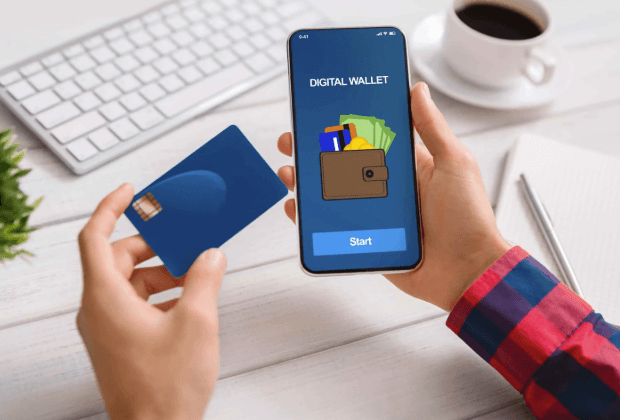
A mobile wallet is a software application or platform that stores payment credentials and related data on a mobile device, enabling digital transactions without a physical card. The concept centers on a wallet definition and how it aggregates credentials, securely managing data across platforms.
Device compatibility influences acceptance, performance, and user experience, shaping practical deployment and cross‑vendor interoperability for seamless, autonomous payments.
How Payments Are Tokenized and Authorized
Mobile wallets rely on tokenization and rigorous authorization to protect payment data. Tokenization dynamics replace card details with placeholders, reducing exposure while preserving transaction meaning.
When a payment initiates, authorization workflows verify issuer constraints, available funds, and risk checks in near real time. The system returns a cryptographic result, guiding whether the token is accepted or rejected, maintaining user autonomy.
Security Layers Behind Wallet Transactions
Security layers behind wallet transactions combine multiple safeguards to minimize risk at each step. The design hinges on device security, encryption, and tokenization, plus continuous monitoring for anomalies. Crypto threats are countered by dynamic keys and frequent credential checks. Biometric hacks are mitigated through liveness tests and multi-factor prompts, ensuring authorization remains resilient while preserving user autonomy and freedom.
Everyday Scenarios: From Tap to Receipt and Beyond
Tap-to-pay interactions unfold as rapid, standardized exchanges: a user presents a device, the terminal requests payment data, and the wallet app responds with a tokenized authorization that the merchant system accepts if validated.
Everyday use showcases frictionless checks, receipts, and refunds, while security myths are debunked through real-time verification.
The user experience remains resilient, transparent, and freedom-oriented despite occasional technical nuances.
See also: xrlinx
Frequently Asked Questions
How Do Mobile Wallets Work Offline Without Internet?
Mobile wallets operate offline via secure, tokenized data stored locally and cryptographic keys; transactions are authorized by offline security measures and device pairing, then later synchronized. They rely on proximity authentication, reducing online dependency while preserving user autonomy.
Can I Use a Wallet on Multiple Devices Simultaneously?
Yes, multi device usage is possible, but synchronization and security policies vary by wallet. A single account often allows limited simultaneous access; synchronized security measures protect data, while devices must be authenticated and optionally mutually trusted to prevent unauthorized use.
What Fees Exist for Mobile Wallet Transactions?
Fees vary by provider, but a fees overview shows most mobile wallet transactions incur merchant charges or network fees; consumer-facing costs are often minimal or absent. Some transfers or cross-border uses may incur higher merchant charges.
How Do Wallets Handle Loyalty Points and Rewards?
Loyalty points are integrated via loyalty integration, with rewards bookkeeping ensuring transactions credit and debit accurately. Wallets consolidate points across programs, display balances, and reconcile expirations, while preserving user autonomy and security in a transparent, auditable ledger.
What Happens if My Phone Is Lost or Stolen?
If a phone is lost or stolen, the system prioritizes lost phone security, enabling remote lock and wipe; data backup strategies ensure recent transactions and credentials remain recoverable, while accounts can be reactivated on a new device.
Conclusion
Mobile wallets consolidate payment data on devices, using tokenization to replace sensitive card details with placeholders. Authorization occurs in near real time, guided by issuer checks and risk signals, ensuring secure acceptance decisions. Layered protections—device security, encryption, continuous monitoring, and biometrics—safeguard every transaction while enabling seamless, cross‑platform use. As tap‑to‑pay becomes ubiquitous, will the promise of frictionless payments overshadow the need for vigilance and ongoing risk management in an automated, transparent system?